Becoming a Responsible User
Before we blame the government or the administration, there are some easy steps which need our commitment and dedication to follow. First, we must try to consult multiple sources of information before we comment or share or post anything. For example, if you have come across any post regarding National Education Policy (NEP), make sure that we do not limit our knowledge about NEP to that post, instead try to look at multiple sources where you will learn more about the policy. Now what multiple sources will we investigate. I would recommend going for the primary sources which will be the government notifications, resolutions, websites, the policy itself which is in downloadable format in Ministry of Education website, consulting the tweets of the concerned authorities, statements published in any news website, press release, etc. In this way, we look at a particular post from a broader context. Now what? The second step would be to exercise your right to express in proper way. If there is anything which is misinterpreted in that post, you must aware the user referring to the primary source and suggest him/her to correct it. I would not encourage you to share or forward such posts. If you come across the same post shared by other, you must aware that user too about the misinterpretation or misinformation.
You may also look at some secondary sources especially some fake news detecting websites in India which are working daily in detecting bogus claims and false information like Alt News (www.altnews.in), Boom Live (www.boomlive.in), FactChecker.in (www.factchecker.in), India Today Fact Check (www.indiatoday.in/fact-check), The Quint WebQoof (www.thequint.com/news/webqoof), etc. Other than these, you may also look at what mainstream media is talking about to get sense of the development in that issue. I would highly encourage today’s youth to get subscription of at least one of the mainstream news websites. Always remember that if not all these sources, most of these sources (including the primary sources) must be consulted before commenting or sharing or forwarding or posting any content. Just imagine if we as an individual start to act consulting multiple sources, it will help break the network of sharing false information and educate the people.
The mantra is you do your bit responsibly and make the change happen.
Secondly, contextual reading of any information or any post is very important. You must have seen how in a prime-time television news show, a panel of experts is invited to share their views on issue. Why do you think they do so? The main objective of inviting experts from different field is to add context to the undergoing issue. In this way, media tries to aware people for considering all angles of a discussion topic. Not limiting the knowledge about an issue within the studio, you may have also seen how the anchor of the talk show try to connect to the reporter on the ground to give an impression to the viewers what is going on the ground. If you are a daily newspaper reader, you may have seen how after the first or the second paragraph of highlighting an issue, the reporter never forgets to give context to the issue for setting a background.
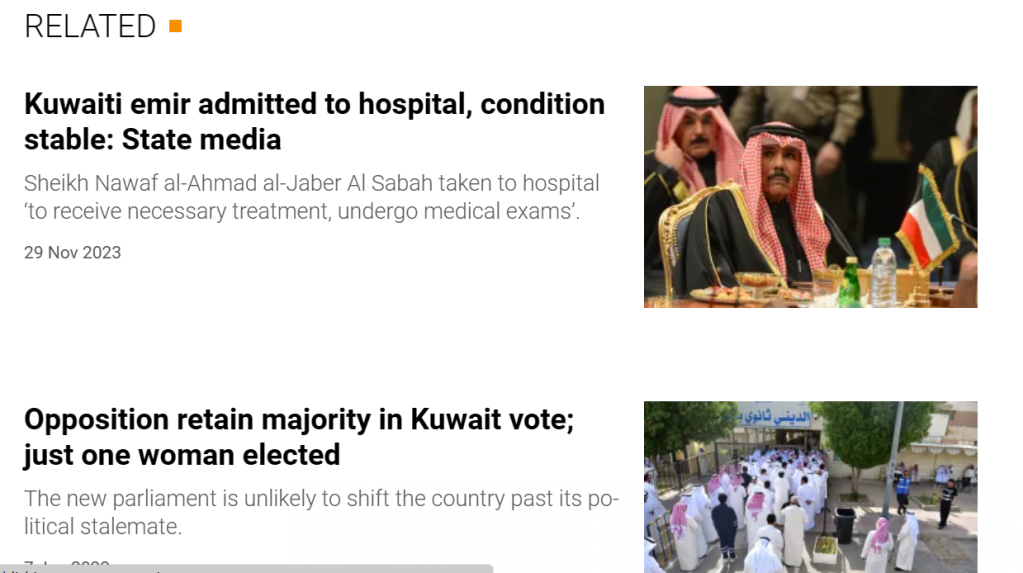
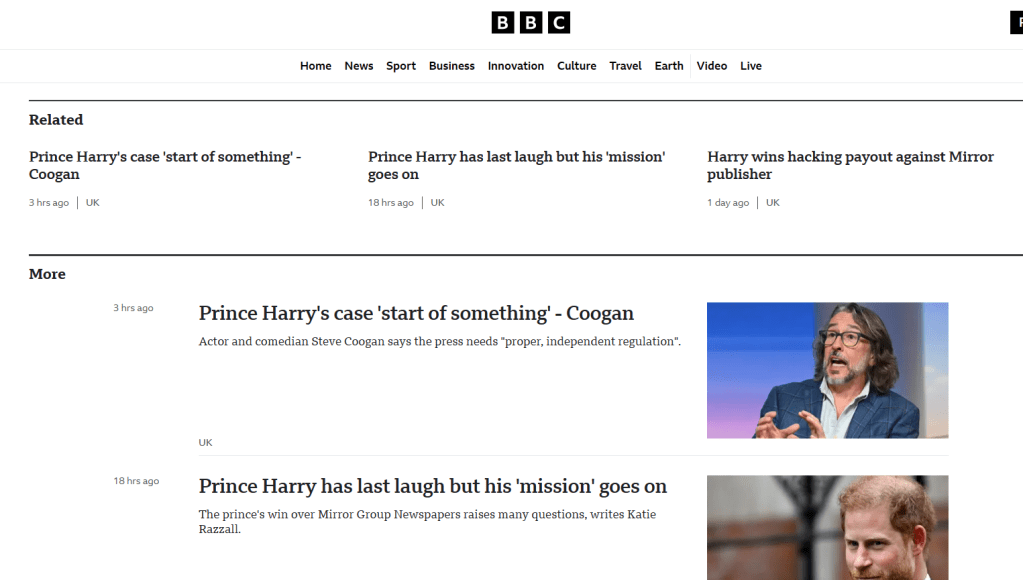
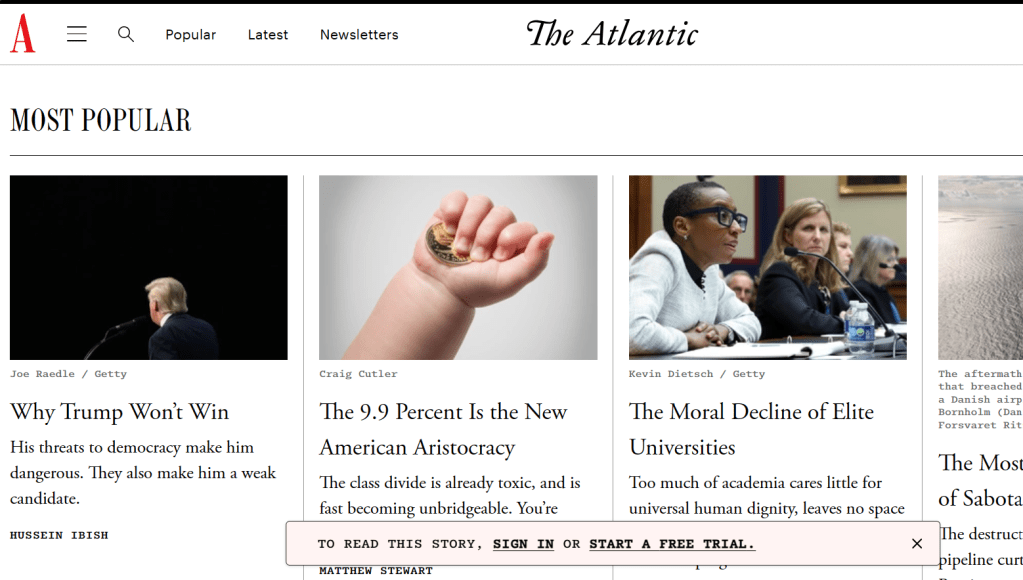
Now a days, as most of the newspapers have opened their online site, you will also find that they provide “Suggested News” or “Also Read” or “Stories you may also like to read” tags at the end of a particular story. This is done to educate and aware the audience about the issue from multiple contexts. I would highly recommend not to view any story as a completion, it may have missed some important points from various other context. You must not stop reading about the NEP provisions only within the context of students’ benefit; it may have advantages and disadvantages in the context of teachers’ recruitment, non-teaching recruitments, infrastructure developments, etc. So, the only way to make your perspective right is to start reading an issue from different contexts.


Thirdly, build up a critical thinking which doesn’t come with the birth, but one must work on it. From Napolean Hill, Aristotle, Einstein to Desmond Tutu and Francis Bacon – all these great thinkers have pointed out that thinking is our very own thing which one must improve before accepting whatever is displayed; instead, using own mind and reaching one’s own decision can elevate the thinking capacity to such an extent that define freedom to eternity. So, to be free is also to get rid of others’ influences and thinking. Critical thinking constitutes of curiosity (always ask question about the content), non-immersiveness (distance reading of a content) and non-trustworthiness (not trusting the content unless achieved the truthiness).
People in the western countries have already adopted two different approaches of looking at media – celebratory and protective approach which is rarely seen in most of the Asian countries. It is time that we follow our own approach consisting of both i.e., appreciating the contents which may have a good influence and criticizing the contents which are misleading and derogatory.
In this way, we evaluate media contents which is an integral process of critical thinking in today’s age of digital communication. Critical thinking looks at the quality of the content which serves the truth and visualize future whereas people are giving more importance into finding the evidence and conducting a comparison between pre-published and post-published information which is quantitative in nature. Evaluating media content must be based on the quality and not the quantity of information because more than the fact, as a critical thinker we must also try to find out the truth about the fact. We evaluate the contents for three specific reasons –
- To distinguish between screening and skimming of information: with the overflow of information, we overlook the information in a bunch and don’t care to scrutiny each of them.
- To distinguish between information and non-information: we must segregate the value-added information from the ones which don’t have value but have the tendency to mislead, and
- To distinguish between news and non-news: people have increasingly fallen into the trap of stories which do not have any news value and therefore, we must be responsible to search out the news values from among the sea of misinformation.
 Telling The Hate Tale
Leave a comment