Knowing Our Right to Restricted Speech
People in this milieu of technological advancements and fast internet connection are more prone to messages of hatred than to gather the knowledge of dispelling those contents. Before I describe more on the spread of hate contents and try to learn and apply different strategies for curbing this, we must first understand what makes any content hateful and yet consumable by most of the younger generations.
Hate contents are about communicating messages verbally or in a written form or through the expression of our behavior or even with gestures like the use of emojis in online forums that has the tendency to create discrimination based on religion, ethnicity, nationality, race, color, descent, gender, or any other identity factor. This is exactly what even the United Nation’s definition on hate speech is based on and one will not find the proper meaning of hate speech country wise. In case of India, hate speech has never been described properly and therefore, I believe has caused the spread of such contents without any precautions.
Besides the absence of definite legal definition, Indian constitution has at least talked about what kind of speech or communication can be restricted. If we look at the Article 19(2) of the Indian constitution, it has clearly debarred of any communication that speaks against the interests of the sovereignty and integrity of India, the security of the State, friendly relations with foreign States, public order, decency, or morality or in relation to contempt of court, defamation, or incitement to an offence. Other than that, there are several legal provisions introduced in the Indian Penal Code that criminalize the form of communication which meets some factors if not all contributing to hate contents as described above.
So, these Acts and IPC sections including the Article 19(2) of the Indian constitution has tried to prevent us primarily from any communication that can cause any religious intolerance and disturb the peace and harmony of the country that may even lead to violence like riots.
But most of the people are unaware of these sections criminalizing the hatred in our society and even if some know, it is not always feasible to interpret such legal provisions for the common people. This is more of a kind of task for the court to interpret the meaning within the court room. So, how do we as a common people, mostly the students who are studying in schools and colleges can understand if not the definition of hate but at least the consequence of it. Let me try to base the question differently – when we come across any information on social media, how often do we question ourselves whether that information is reliable or not? Or say, whenever we decide to write anything on social media, how often do we think about how much we can write about a thing? Or how often does anyone as a non-internet user deny believing a social media user?
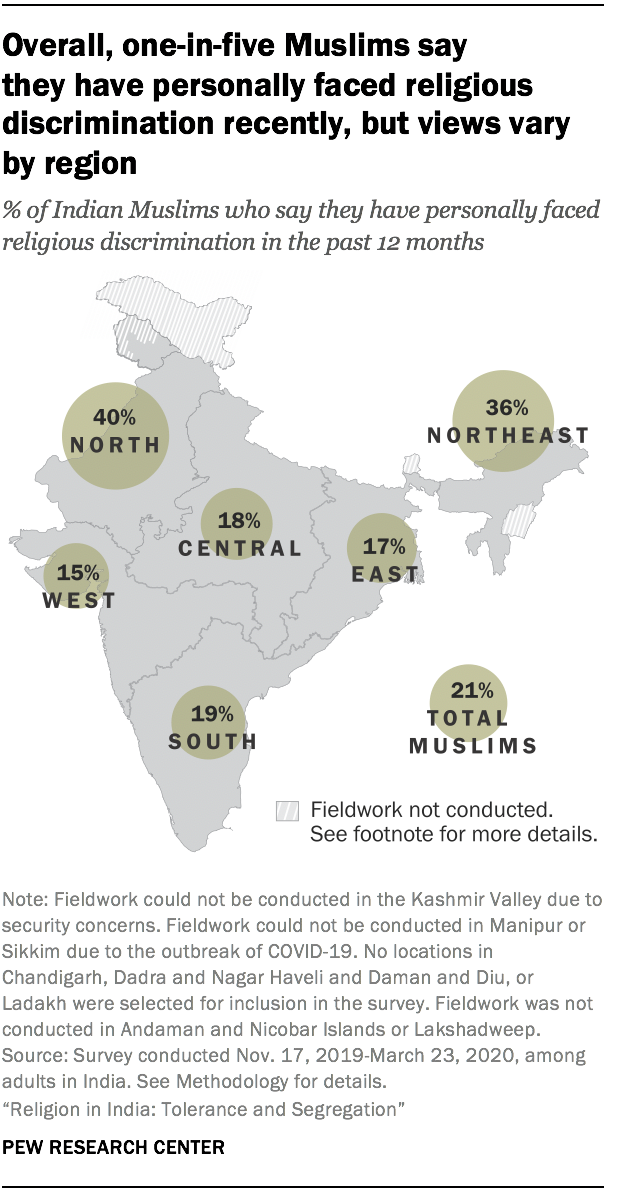
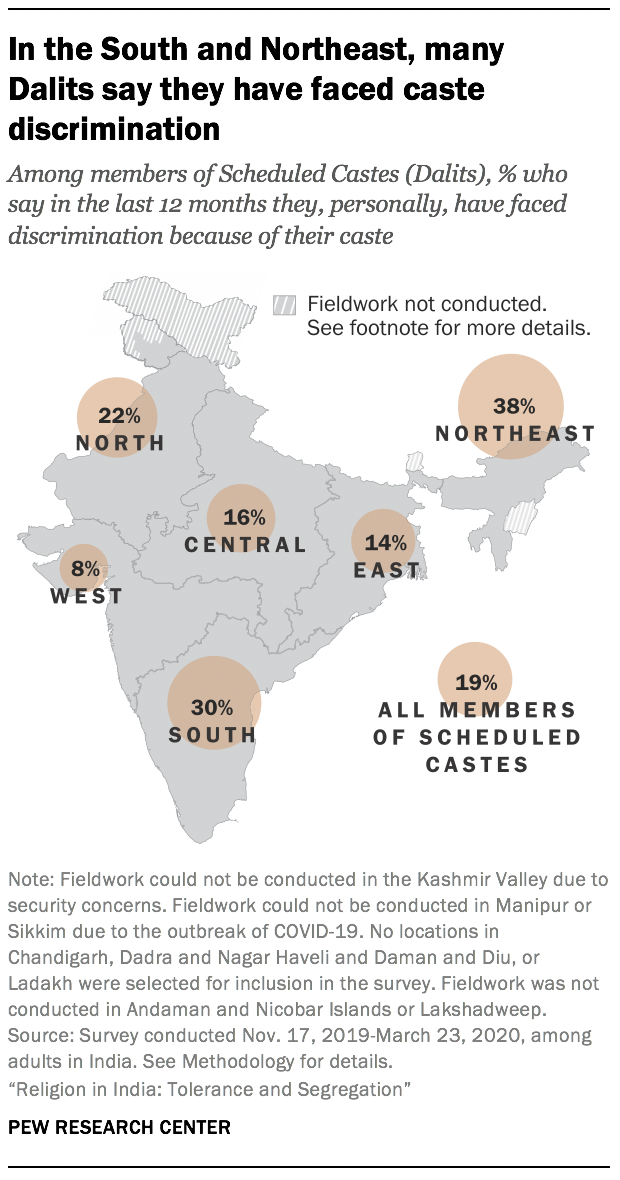
The problem is – we do not think before we write or share or forward or trust any content in this online age. And the reason lies in the media illiteracy of the large chunk of our population today as they lack the knowledge on the role of media in strengthening democracy and the use of media to create a cohesive society and not to sow division. Unfortunately, India with 48.7 per cent of Internet penetration rate as per the 2022 Statista report and 72 per cent of English-speaking users (I agree that data on non-English speakers would have opened up the pandora box) considering social media platforms as their sources of information and 47 per cent sharing the same information through social media platforms as per the Reuters Digital News Report 2023 have become the country of active users who not only made social media as their core of information but also started to influence the large portion of non-internet users. It seems to be a kind of domination by the minorities over the majorities (Be careful here, I am talking about internet demographics) leaving them no option but to trust them with the information that they supply from social media without any consultation. This is a very strange kind of development of attitude where we take the advantage of the non-internet users of lack of information which otherwise is their right.
It has created an atmosphere that everything can be spoken or written or communicated in any form and everything shared and forwarded by the users both in online and offline platform is consumable without fact-check. At first, the users are making fool of themselves day by day and then they are also fooling the non-users. Consequently, our very Right to Freedom of Speech and Expression enshrined in Article 19 (1) is promoted in a very wrongful manner that can harm the sovereignty and integrity of the country to its worst.
To conclude this section, I must use the most famous affirmation of one of the American Justices – Justice Oliver Wendell Holmes known for his landmark judgements in US Supreme Court history that “A person’s freedom ends where another man’s freedom begins”. We must take care of the infringement of other’s freedom while enjoying our rights to express that may hurt the sentiment of other’s culture or religious belief.
 Telling The Hate Tale
Leave a comment